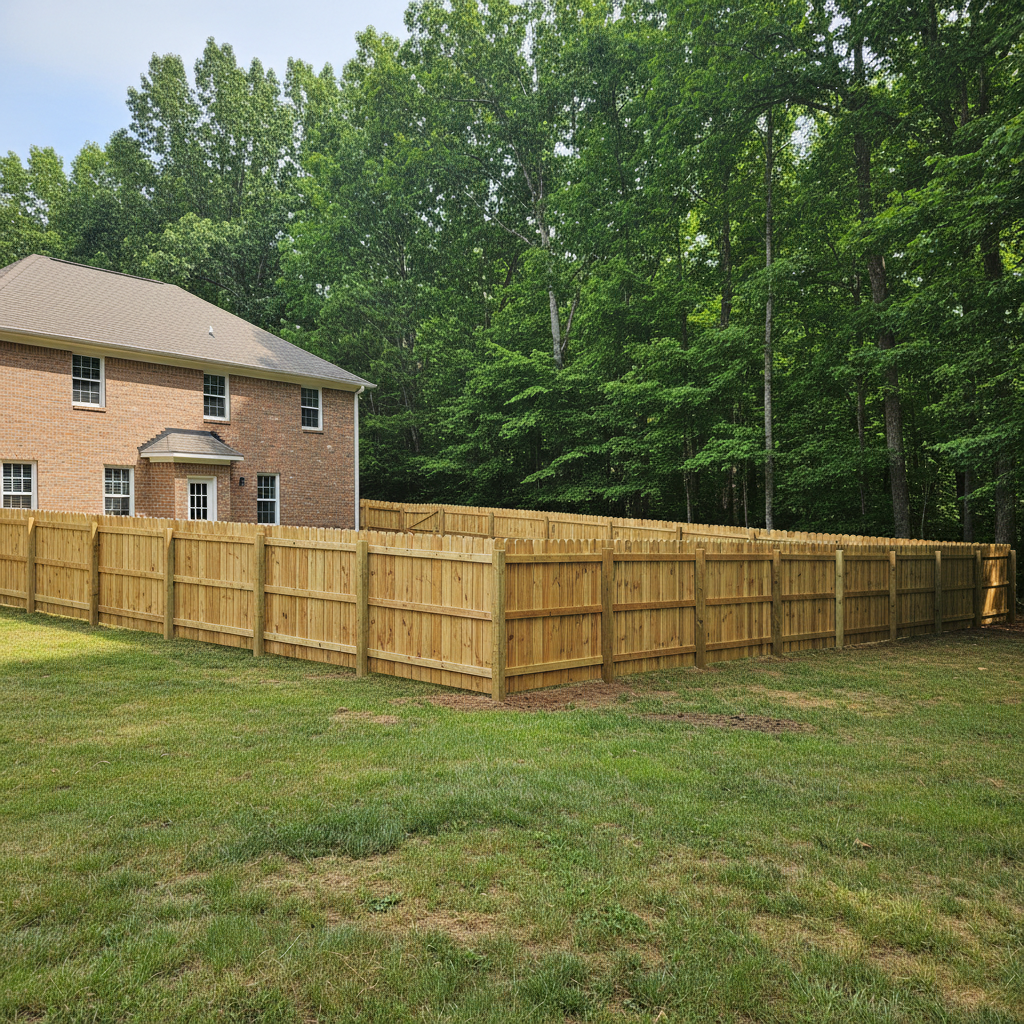
Wood Fences around Norris often look weathered and sagging after just a few years while others stand tall and sharp. Working on properties across East Tennessee, Norris Fencing Solutions sees that our local climate plays a massive role in how Wood Fences behave. Between the humid summers, heavy spring downpours, and our unique cherty red clay soils, maintaining Wood Fences takes a bit of seasonal know-how.
Planning a new build or trying to keep your current boundary looking solid means understanding the rhythm of our local weather. Norris Fencing Solutions provides a straightforward breakdown of what our climate means for your Wood Fences investment and how to handle it year-round.
How Norris Weather Affects Outdoor Wood
Wood is a living material even after it is milled, meaning it reacts directly to moisture and temperature swings. In our area, we deal with high humidity and significant annual rainfall. Rainwater seeps into the pores of the timber, causing it to swell up. When the sun beats down hard the next day, that moisture evaporates rapidly, leading to rapid expansion and contraction of Wood Fences.
- Constant moisture changes cause boards to warp, cup, or split if they are not properly sealed.
- Shaded lots under our heavy local tree canopy hold onto dampness longer, encouraging mold and mildew growth on Wood Fences.
- Intense summer UV rays break down surface wood fibers, turning untreated pickets gray and brittle.
Scheduling Your Installation Around the Climate
Timing matters when you are putting posts in the ground or building new panels for Wood Fences. Digging post holes during the wettest parts of winter or early spring means fighting saturated clay that slips and slides. At Norris Fencing Solutions, we look for windows when the soil is workable and stable enough to lock concrete and posts securely.
Late summer and early autumn usually offer the most stable weather pattern for getting construction done. The ground is typically drier, and temperatures are moderate enough for sealants and stains to cure properly without baking too fast in extreme heat or freezing overnight.
Protecting Your Investment Year-Round
You do not need to baby Wood Fences, but ignoring them completely guarantees an early replacement bill. Maintenance is all about staying ahead of the seasons rather than reacting after damage occurs.
- Apply a quality waterproof stain or sealer every few years to block out moisture and UV rays.
- Keep vines, heavy brush, and piled autumn leaves cleared away from the bottom rails to prevent rot.
- Check your gate hardware and post stability after heavy seasonal windstorms roll through the ridges.
Taking care of Wood Fences in East Tennessee comes down to respecting the elements and keeping up with basic upkeep. Put in a little preventative effort when the seasons shift, and your Wood Fences will easily weather whatever the local climate brings.