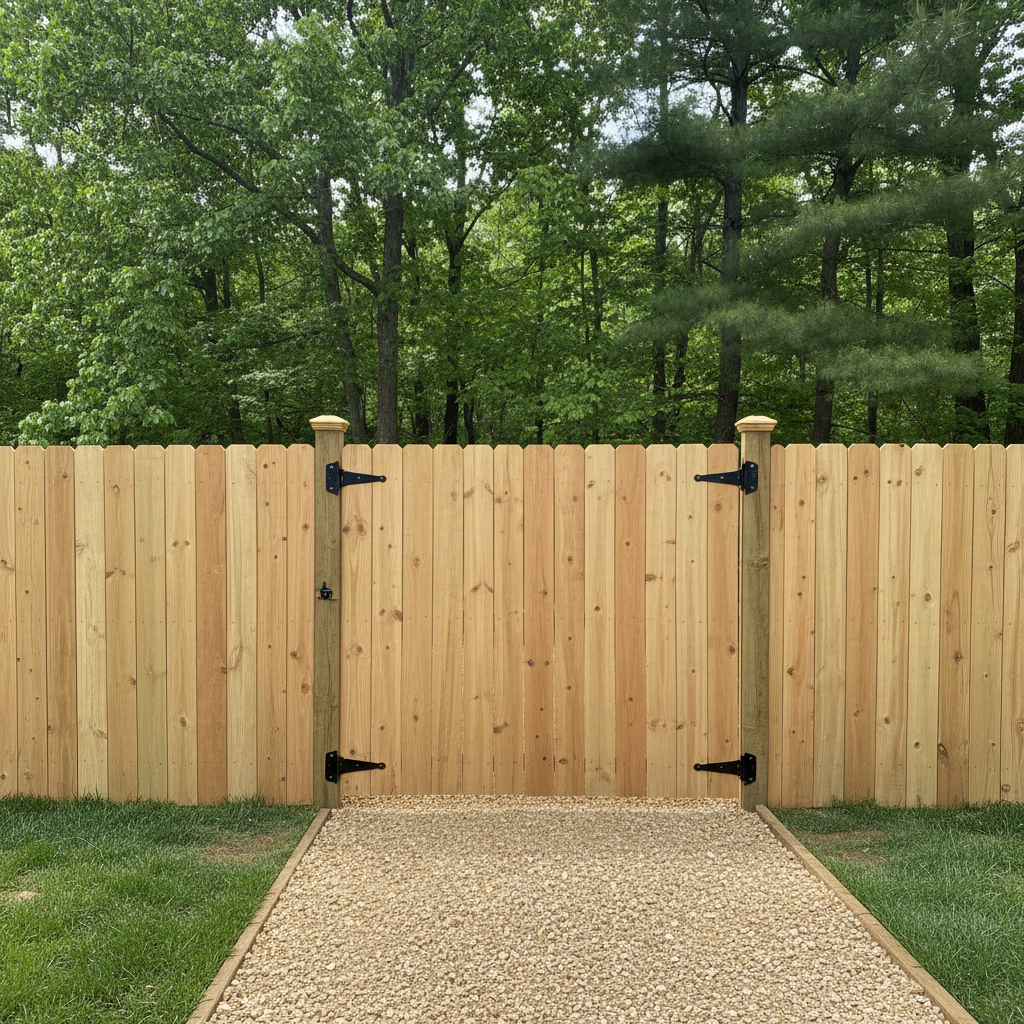
Your gate isn't just a gap in your fence; it's a moving part, and moving parts always need a little TLC. Here in Norris, whether you've got a grand driveway gate or just a simple backyard entry, it's constantly fighting the elements. We know those hot, humid summers, right? Then they're followed by wet, sometimes icy winters. That kind of weather really takes a toll, and if you don't keep an eye on things, you'll end up with a saggy, squeaky, or even completely stuck gate. Nobody wants that, do they?
Making Your Gate Last Longer
The best way to get a long life out of your gate is to treat it right from the very beginning. When we install a gate at Norris Fencing Solutions, we make sure it's hung and balanced correctly. But that's just the start. For wood gates, regular sealing or painting is super important. You wouldn't leave your deck untreated, would you? It's the same deal for your gate. It actually gets exposed to the sun and rain even more than some parts of your fence. For metal gates, especially wrought iron, you'll want to check for rust spots and touch them up before they spread. That's critical. Galvanized or powder-coated gates are tougher, sure, but even they can get scratched, exposing the bare metal underneath.
Another big thing is making sure the ground around your gate stays stable. We've got a lot of clay soil around Norris, especially in older neighborhoods like those near the lake. That soil can expand and shrink with moisture, which can shift posts over time. Keeping good drainage around the gate area helps stop this. Just don't let water pool around the posts.
What Regular Maintenance Looks Like
You don't need to spend hours on this, honestly, but a quick check-up a few times a year can save you a ton of headaches. I usually tell folks to do a full run-through in the spring and then again in the fall.
- Grease up moving parts: Hinges, latches, rollers on sliding gates – they all need some love. Use a silicone spray or a good quality grease. Don't use WD-40; it's a penetrating oil, not a long-term lubricant, so it won't last.
- Check fasteners: Give all the screws, bolts, and nails a quick once-over. Tighten anything that's loose. Wood can swell and shrink, which often causes fasteners to back out.
- Clean out debris: Clear away any leaves, dirt, or spiderwebs that might be gunking up hinges or the latch mechanism. For sliding gates, keep the track clear of pebbles, sticks, and anything else that could get in the way.
- Inspect the gate itself: Look for cracks in wood, rust on metal, or bent sections. Catching these problems early often means a simple repair instead of needing a whole new gate.
- Test the latch and lock: Make sure it engages smoothly and securely. If it's sticking, adjust it or clean it up.
Warning Signs of Trouble
Your gate will usually tell you when something's wrong before it totally breaks down. You just have to listen and look.
- Squeaking or grinding: This is almost always a lubrication issue with hinges or rollers. Don't ignore it; it means parts are rubbing and wearing down, which is bad news.
- Sagging: If your gate is dragging on the ground or doesn't line up with the latch post anymore, it's sagging. This could be loose hinges, a weakened gate frame, or a post that's shifted.
- Difficulty opening or closing: If you have to push or pull hard, something's out of alignment or binding.
- Rust or rot: Visible rust on metal or soft, crumbling wood are obvious signs of deterioration. Address these quickly before they compromise the gate's structure.
- Loose posts: Grab a gate post and try to wiggle it. If it moves easily, you've got a problem. This is a common issue, especially with those heavy wooden gates, and it often means the post footing has failed or the post itself is rotting below ground.
When to Call a Professional
Look, some things you can handle yourself. A little lube, tightening a few screws – no big deal. But there are times when it's just better to call in someone who knows what they're doing. If you see any of these, it's definitely time to pick up the phone:
- Significant sagging that won't adjust: If tightening hinges doesn't fix it, or if the gate frame itself is warped, you might need a professional to re-frame the gate or reinforce it.
- A wobbly gate post: This is a structural issue. Trying to patch it yourself often leads to more problems down the road. We can usually re-set or replace the post properly, making sure it's stable for years.
- Broken welds on metal gates: Unless you're a welder, this is absolutely a job for a pro.
- Automated gate opener issues: These systems are complex. Don't mess with the electronics or motors unless you're trained. It's safer and more effective to call a specialist.
- Persistent problems: If you're constantly adjusting or repairing the same issue, it's a sign there's a deeper problem that needs an expert eye.
Your gate is an investment in your property's security and curb appeal. A little proactive care goes a long way in keeping it functional and looking good. Don't wait until it's completely broken; a stitch in time saves nine, as they say.