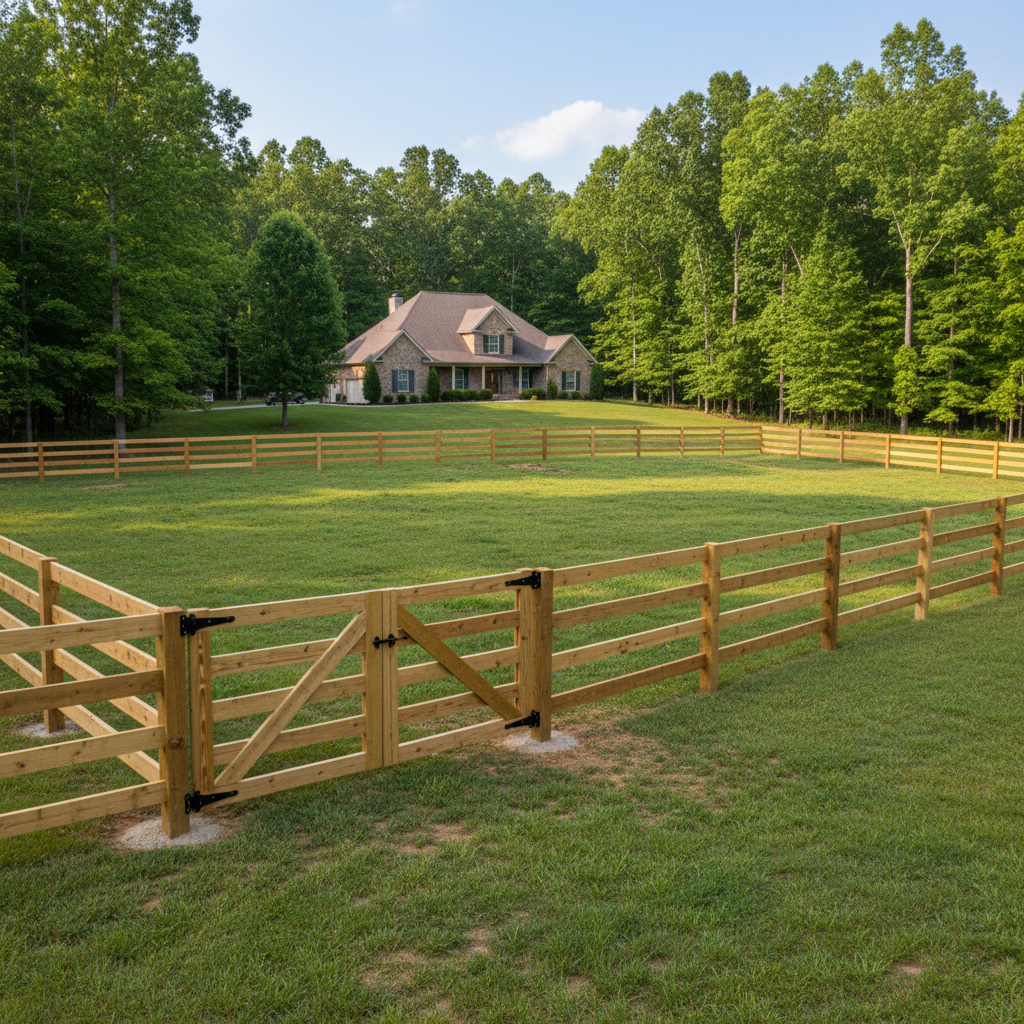
So, you're thinking about putting up a new farm fence around your place here in Norris. Maybe you've got livestock to keep in, or you just want to mark your property lines more clearly. Whatever your reason, it's a big job, and you'll want it done right. I've certainly seen my share of farm fence projects over the years, and trust me, a little planning beforehand makes a huge difference. Let's chat about what you really need to know before you even think about digging the first post hole.
Setting Your Timeline: What to Expect
A farm fence isn't something you can just throw up over a weekend, especially if you're talking about a long stretch. The actual timeline depends on a few things: how big your property is, the kind of fence you pick (barbed wire, woven wire, high tensile, you name it), and, of course, when your chosen contractor can fit you in. Generally, from the moment you decide you want a fence to the day it's all finished, you're looking at anywhere from a few weeks to a couple of months, at least.
First off, there's the initial consultation. That's when we come out, walk your property with you, and talk about what you need. Then comes the quote. Once you give us the go-ahead, we've got to get it on the schedule. Good contractors, like us at Norris Fencing Solutions, often have a bit of a waitlist, especially during busy times like spring and fall. So, don't expect us to start tomorrow, okay? Once we're actually on site, the installation itself can take anywhere from a few days for a smaller section to several weeks for a really big perimeter. Weather plays a huge role too; we can't exactly set posts in a downpour or when the ground is frozen solid, which, let's be honest, happens plenty during our Norris winters.
Getting Your Site Ready for the Crew
You can make the whole process smoother for everyone involved, and sometimes even save yourself a little money, by doing some prep work. This isn't just about clearing out some weeds; it's about making sure we can actually do our job efficiently.
- Clear the Line: Walk the path where you want the fence to go and clear out any major obstacles. We're talking thick brush, small trees, big rocks. The less we have to clear, the faster we can get to work.
- Mark Boundaries: You need to know exactly where your property lines are. If there's any doubt at all, get a survey done. You definitely don't want to accidentally fence in your neighbor's land or, even worse, build on theirs.
- Access: Make sure we can get our equipment to the fence line. If we need to bring in a post-hole digger or a tractor, is there a clear path for it?
- Utilities: This is a really big one. Call 811 a few days before any digging is scheduled. It's free, and they'll mark any underground utility lines. Hitting a gas line or a power cable is both dangerous and incredibly expensive. Seriously, don't skip this step.
- Livestock Management: If you have animals, plan how you'll manage them while we're building. You don't want them getting out or getting in the way of the crew.
What to Ask Before Signing on the Dotted Line
Picking the right contractor is crucial. Don't just go with the first quote you get, that's my advice. Ask some tough questions. Any reputable company won't mind one bit.
- Insurance and Licensing: Are they fully licensed and insured? Ask for proof, please. If they're not, you could be on the hook if someone gets hurt or if something goes wrong on your property.
- Experience with Farm Fencing: Farm fencing is a different beast than a backyard privacy fence. Does their crew have specific experience with the type of farm fence you need (say, woven wire for goats, or high tensile for cattle)?
- Materials Used: What kind of posts are they planning to use? What gauge wire? Are the materials rated for our climate here in Norris, especially with the humidity and sometimes rocky soil we deal with? Are they using quality hardware that won't just rust out in a couple of years?
- Warranty: What kind of warranty do they offer on their work and the materials? How long does it last, and what exactly does it cover?
- Project Manager/Point of Contact: Who will be your main person to talk to during the project? You'll want to know who to call if you have questions or concerns.
- Payment Schedule: How does payment work? Is there an upfront deposit? When are the rest of the payments due? Make sure it's all crystal clear.
- Cleanup: What's their policy on cleaning up the site? Will they haul away all the old materials and debris, or is that something you're responsible for?
- References: Can they provide references from other farm fence projects they've done right here in the area? A good contractor will be happy to connect you with past clients.
Taking the time to plan and ask these questions will save you a lot of headaches later on. A good farm fence is an investment, after all, and you want it to last. Do your homework, and you'll end up with a fence that truly serves your needs for many years to come.