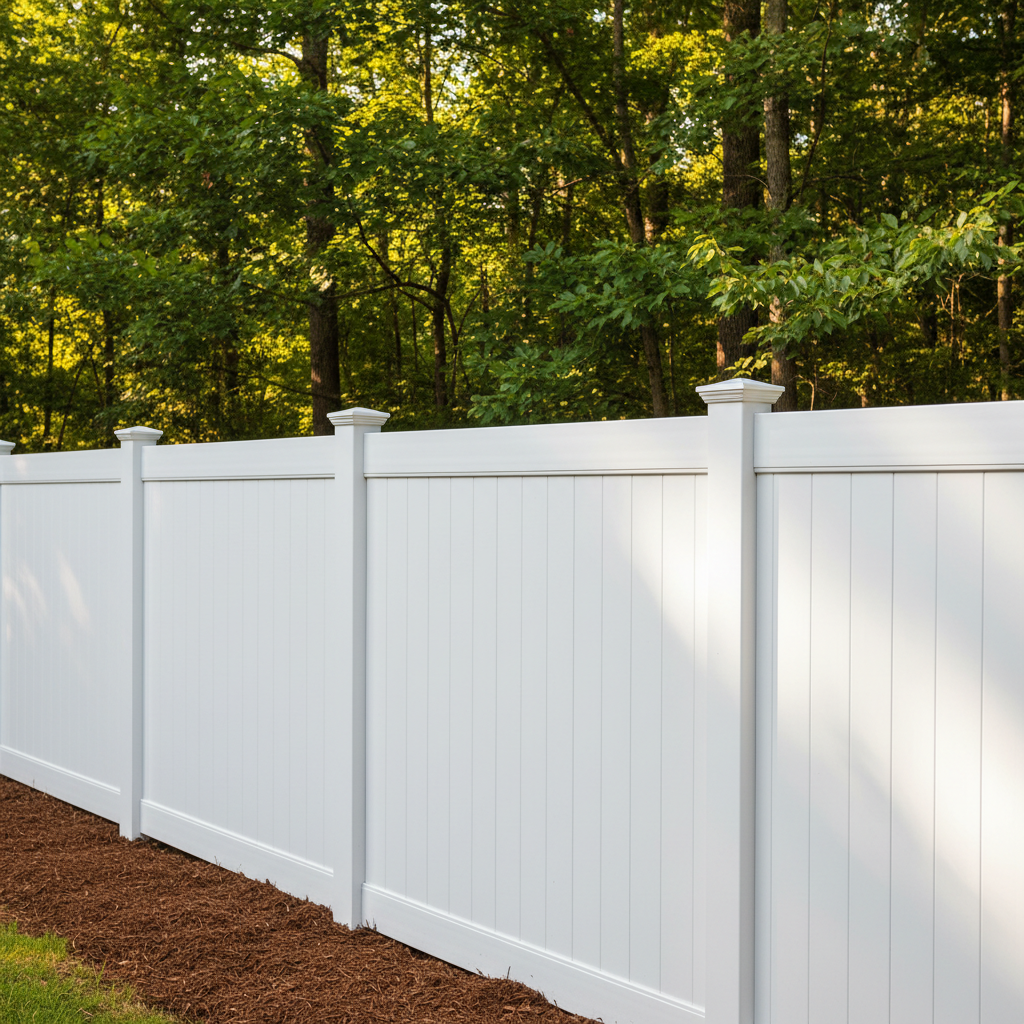
So, you're looking at a new vinyl fence for your place here in Norris and thinking, "Can I just put this up myself?" Totally fair question. Vinyl fences are popular for good reason – they look sharp, they're tough, and they don't demand much attention once they're standing. But getting one installed isn't quite as simple as snapping together a Lego set, believe me. There's a whole lot to sort out before you even buy the first post.
Before You Even Think About Digging
First things first: planning. This is where most DIY fence projects hit a wall, honestly. You can't just eyeball it. You need to know exactly where your property lines are. Don't guess. Dig out your survey, or even better, get a surveyor out there to mark things. The last thing anyone wants is to put up a beautiful new fence only to find out half of it's on your neighbor's land. That's a headache you definitely don't need.
Next, call 811. Every single time. It's free, it's easy, and it's the law. They'll mark out any underground utilities – power lines, gas lines, water pipes, communication cables. You absolutely do not want to hit one of those. Trust me, I've seen it happen, and it's not pretty, nor is it cheap.
Then, check in with the City of Norris planning department. You'll probably need a permit for a new fence, and there will be rules about height, how far back from property lines it needs to be, and even what materials are allowed in certain areas. This is especially true if you're in one of the historic districts or close to the lake. Don't skip this step. A code violation can mean tearing down all your hard work and starting over.
Finally, measure, measure, measure. Get your total linear footage. Figure out exactly where your gates will go. Sketch it all out. This isn't just for buying materials; it's for really seeing the whole thing come together. You'll need to calculate how many posts, panels, and bags of concrete you'll need. Always add a little extra for mistakes or if a piece gets damaged. It's way better to have a spare than to stop your whole project for one missing cap, right?
What You'll Need (and What You Can Probably Rent)
Alright, you've got everything planned out. Now for the tools. You're going to need:
- A post-hole digger. A manual one works for a small section, but for anything over 50 feet, you'll want a gas-powered auger. You can rent these from most equipment rental places around Knoxville.
- A level. A long one, like a 6-foot level, is best for posts.
- A string line and line level. These are crucial for keeping your fence straight and level across its entire run.
- A tape measure.
- A rubber mallet.
- A hacksaw or reciprocating saw with a fine-tooth blade for cutting vinyl if you need to.
- Plenty of concrete mix.
- Gravel for drainage in the post holes.
- Safety gear: gloves, eye protection, sturdy boots.
Now, about that post-hole digger. Our soil here in Norris can be a real pain. You might hit some serious rock, especially on those steeper lots closer to the Clinch River. If you're dealing with a lot of rock, a manual digger will be a nightmare. An auger might help, but sometimes you just need a jackhammer or a serious pry bar. That's one of those moments where a pro, like us at Norris Fencing Solutions, can save you a lot of grief and busted knuckles.
The Installation Process: Step-by-Step (Simplified)
I'll give you the basics here, but remember, every manufacturer has specific instructions you absolutely have to follow.
- Mark it out: Use your string line to mark the exact path of your fence. This is your guide for everything that follows.
- Dig the holes: Dig your post holes to the depth your fence manufacturer recommends, usually 24-36 inches deep, and wide enough for the concrete. Don't forget that frost line for our winters here in East Tennessee – you want your posts below that so they don't heave up.
- Set the first post: Start with a corner or end post. Put a few inches of gravel in the bottom of the hole for drainage. Stand the post in the hole, make sure it's perfectly plumb (level in all directions), and then pour in your concrete. Mix it according to the bag instructions. Brace the post so it stays plumb while the concrete sets.
- Work section by section: Once that first post is solid, you can start building out. Slide your bottom rail into the post, then your pickets, then your top rail. This is where vinyl systems really shine – they usually just snap together.
- Set the next post: With your panel assembled and connected to the first post, set your next post. Make sure the panel is level, and the post is plumb, then concrete it in. Keep checking your string line to ensure everything stays straight.
- Repeat: Keep going, one section at a time. Don't rush the concrete setting.
- Gates: Gates are probably the trickiest part for a DIYer. They need strong, well-set posts and precise alignment to swing correctly. If you're not feeling confident, this is definitely a spot to call in a pro.
- Caps: Once everything is set and cured, just pop on your post caps.
When to Call a Pro (Like Us)
Look, I'm all for homeowners doing what they can themselves. It's incredibly satisfying. But sometimes, it's just smarter to bring in the experts. Here's when you should really think about calling Norris Fencing Solutions:
- Rocky ground: If you're hitting bedrock every other hole, your back and your patience will thank you for getting a crew with the right heavy-duty equipment.
- Uneven terrain: Slopes and hills make leveling a fence much harder. It requires more precise cutting and stepping of panels, which isn't always straightforward.
- Large projects: If you're fencing a big yard, say over 200 feet, the sheer labor involved can be overwhelming for just one or two people.
- Complex designs: If you want custom gates, multiple angles, or a fence that really integrates with other structures, that's definitely pro territory.
- Time constraints: A DIY fence project can easily eat up several weekends, especially if you hit snags. If you need it done fast and done right, a professional crew can knock it out in a fraction of the time.
- Warranty concerns: Many vinyl fence manufacturers offer warranties that can be voided if the fence isn't installed correctly. A professional installer typically guarantees their work.
Doing a vinyl fence yourself can save you some money on labor, but it's a significant commitment of time, effort, and sometimes, pure frustration. Be honest with yourself about your skills and the actual scope of the project. If you decide it's more than you want to chew off, don't hesitate to give us a call. We're here to help our Norris neighbors get the fence they need, installed right.